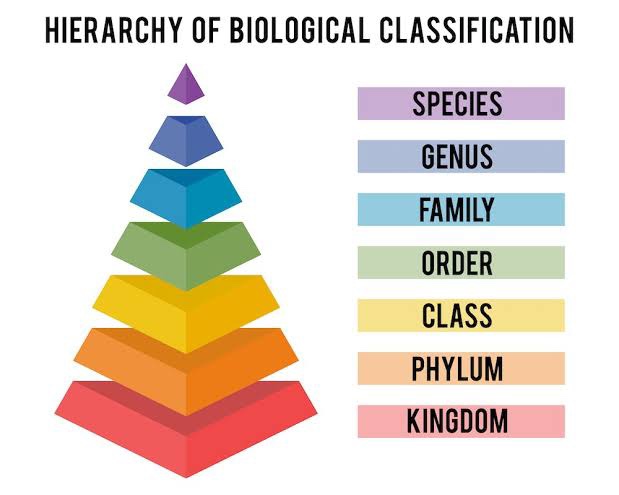
Taxonomy is the practice and science of categorization or classification. A taxonomy is a scheme of classification, especially a hierarchical classification, in which things are organized into groups or types.
State of taxonomy are:
- Kingdom
- Phylum or Division
- Class
- Order
- Family
- Genus
- Species
This time we will learn about 5 kingdom in taxonomy.
Monera
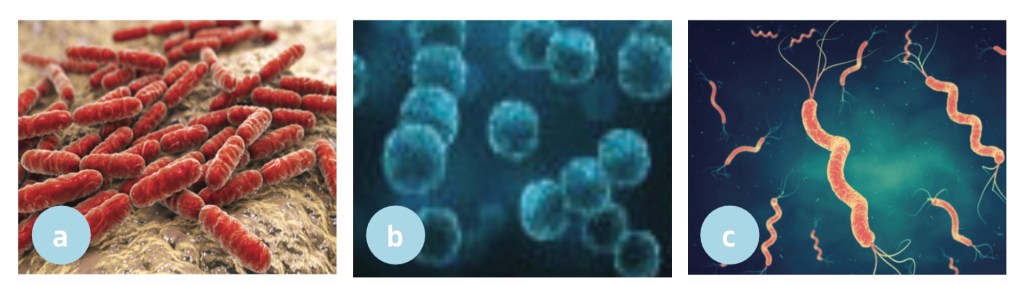
Monera is type of living thing with characteristics: unicellular, prokaryotic, multiply divide, and microscopic. Examples: bacteria and blue algae.
There’s some examples for bacteria:
- Escherichia coli
- Lactobacillus lactis
- Salmonella typhosa
- Vibrio cholerae
There’s some examples for blue algae:
- Anabaena azollae
- Arthrospira
Protists
Protists is the type of living things with characteristics: eukaryotic, most of protists are unicellular, and multicellular.
Protists divide into 3:
- Protozoa
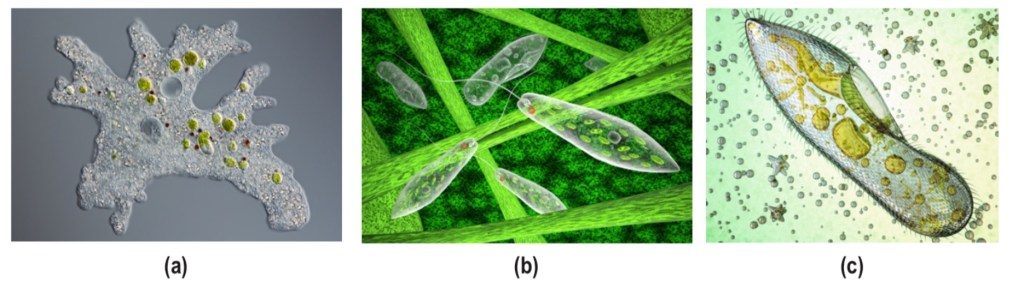
= The type of protists witch looks like animal, for examples are Amoeba, Euglena, Paramecium.
= Each of protozoa has their own locomotor, for examples Amoeba use rhizopods, Euglena use flagellata, and Paramecium use ciliata.
- Algae
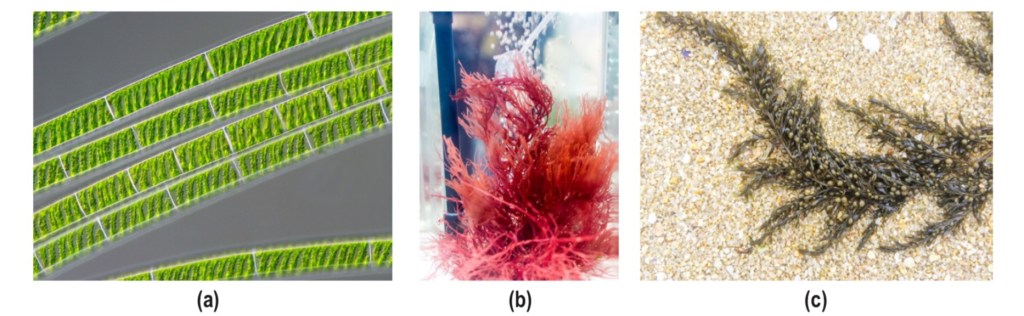
= The type of protists witch looks like plants. For examples, Spirogyra (green algae), Eucheuma (red algae), Sargassum (golden algae).
- Mushroom-like protists
= The type of protists witch looks like mushrooms. This type divide into 2, water molds and slime molds. Water molds (Oomycota) produce oospores (thick-walled spores that are able to survive in harsh environments). Slime molds produce (Myxomycota) have characteristic where the vegetative phase is able to move like an amoeba, and reproduce by producing spores.
Fungi
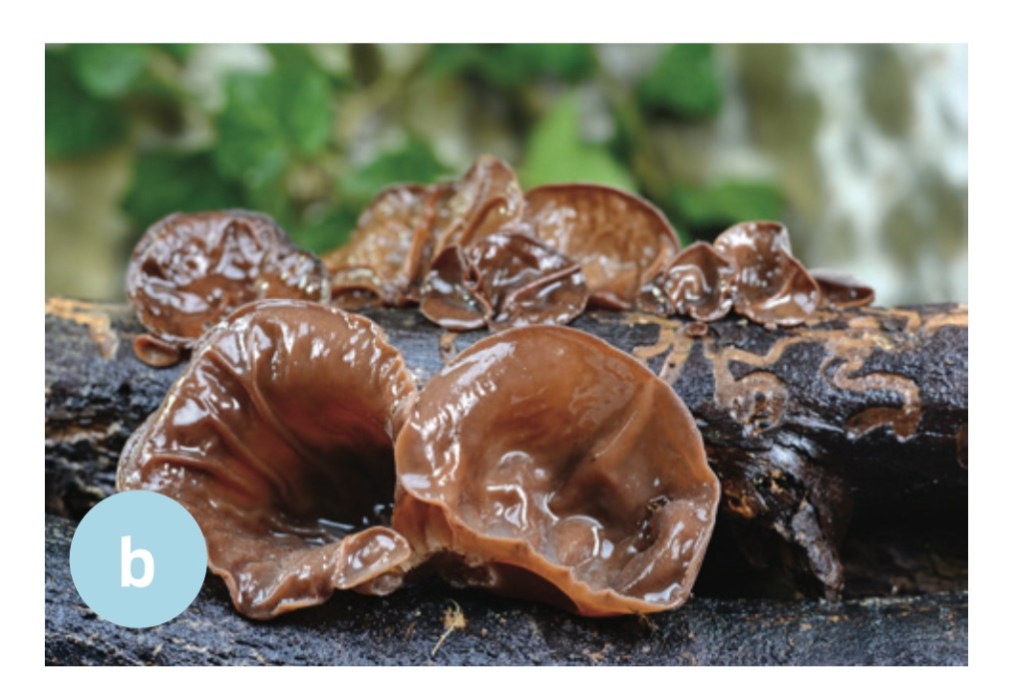
Fungi is the type of living things with characteristics: eukaryotic, cell walls made of chitin, not chlorophyll, reproduce by spores. Based on the way of reproduction, fungi divide into 4, there are:
- Zigomycota, examples: Rhizopus oryzae
- Ascomycota, examples: Saccharomyces cerevisiane
- Basidiomycota, examples: Auricularia. sp and Volvariella volvacea
- Deuteromycota, examples: Malassezia furfur and Epidermophyton floocosum
Plantae
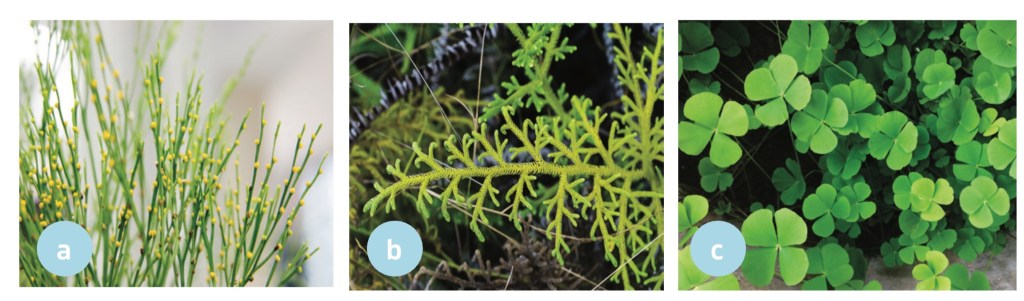
Plantae is the type of living things with characteristics: eukaryotic, multicellular, cell walls that contain cellulose, have chlorophyll, and can photosynthesize, and are autotrophs. Plantae divide into 3, there are:
- Moss (Bryophyte), reproduce by metagenesis
- Ferns (Pteridophyte), reproduce by metagenesis
- Seed plants (Spermatophyte), reproduce by seeds (divide into Gymnosperm and Angiosperm)
Animalia
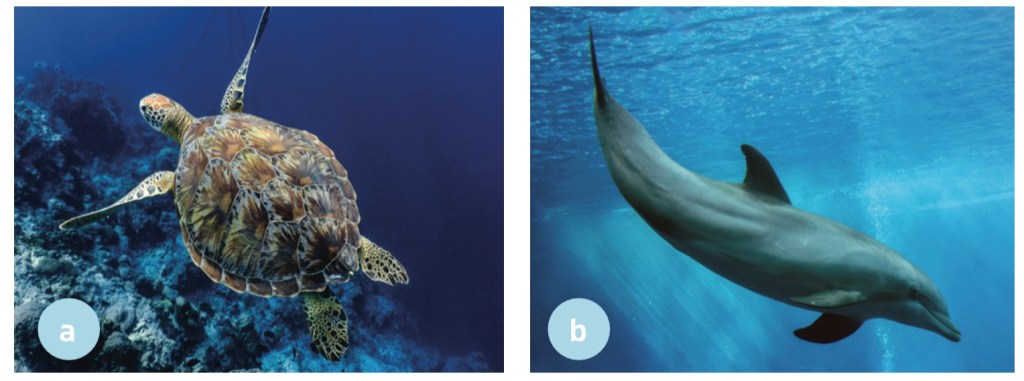
Animalia is the type of living with characteristics: eukaryotic, multicellular, have no cell wall, no chlorophyll, and heterotrophs. Animalia divide into invertebrates and vertebrates.
Some of invertebrates are:
- Sponge
- Coelenterates
- Platyhelmintes
- Nematodes
- Annelids
- Mollusca
- Arthropods
- Echinodermata
Some of vertebrates are:
- Pisces
- Amphibia
- Reptilia
- Aves
- Mammalia
That’s it our material for now. So there are 5 kingdom in taxonomy, there’re monera, protists, fungi, plantae, animalia. I hope this can be useful for you guys. Our next material will related to taxonomy as well. See you…
Writer: Helena Lutfi
Image and information source: https://theconversation.com, ebook Airlangga, https://en.m.wikipedia.org/wiki/Taxonomy.


Leave a comment